

Totapuri / Bangolara / Sandersha
Totapuri / Bangolara / Sandersha
Couldn't load pickup availability
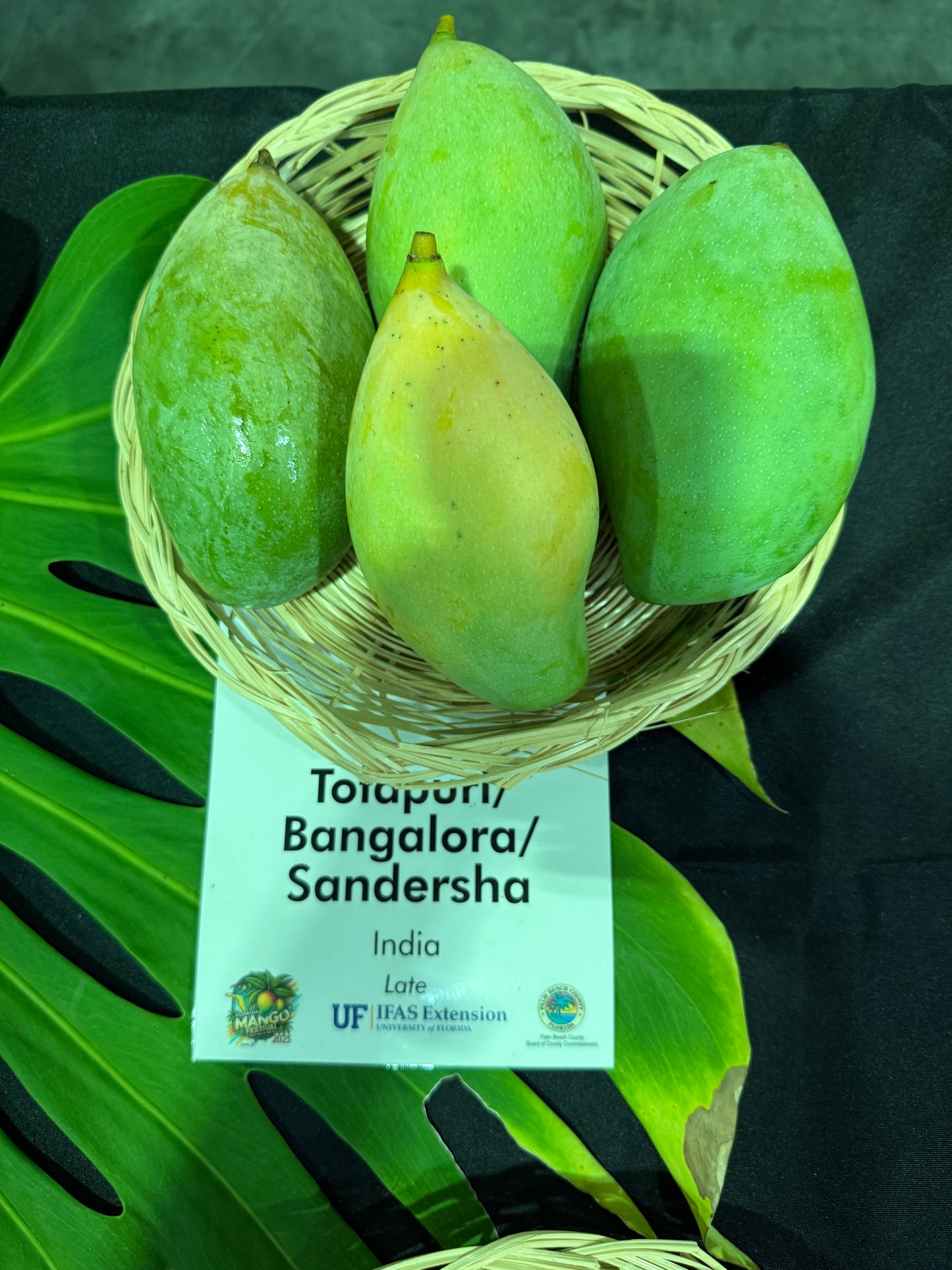
Totapuri—sometimes spelled Totapari and also known as Bangalora or Sandersha—originates from southern India, where it is grown on a large commercial scale, primarily for green (unripe) consumption. The variety was introduced to the United States in 1901 under the name Sandersha and quickly gained attention for its ability to fruit reliably in south Florida. While productive, its ripe eating quality was considered mediocre, which limited commercial adoption for fresh consumption.
Totapuri’s lasting significance lies in its genetic influence. It is the parent of the Brooks mango, making it an important ancestor of several major commercial cultivars, including Keitt, Kent, and Hatcher.
The fruit are large and elongated, with a distinctive oblong, curved shape and a pronounced raised stem end. At maturity they turn yellow with a noticeable pink blush. The flesh is yellow with slight fiber and carries a mild Indian/West Indian flavor, but the fruit is rarely eaten ripe. Instead, Totapuri is prized at the crunchy green stage, where it is commonly consumed with salt, chili, or used in pickles and chutneys. The seed is long and monoembryonic.
Trees are very vigorous, with a spreading, somewhat spindly growth habit and an open canopy. The variety is highly susceptible to rot fungi when fruit are allowed to ripen, which further reinforces its traditional use as a green mango rather than a dessert fruit.
Totapuri is considered a mid- to late-season mango, typically ripening from late July through August.
Flavor: Indian / West Indian
Country: India
Season: Late


It arrived alive and as expected. Growing nicely now.


Excellent plant and great service


Excellent seller. Very responsive and helpful. The scions were healthy and good size. I'm very happy with my purchase and will buy from this shop again.
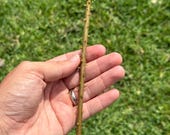

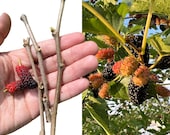
Scions came in a timely manner! Just grafted them on some guava trees!

Fantastic purchase. Got 2 and I'm stoked!!! fast shipping and live olants arrived very happy.


I never write bad reviews. I had to make an exception in this case. Plant was atrocious. First off, the plant was basically "an ant nest with something planted in it." So many ants in the soil that the box was teeming with ants. When unwrapping the plant itself, the ant explosion was unconscionable. I'm not sure how the plant could be wrapped without knowing about the ant nest in the plant, but I can hope that it was a mistake. If I looked beyond the ants and hope it was just an accident, there was no way to miss the fact that the plant was a shameful version of what was pictured in the ad. A twig with a couple of leaves, the longest of which measures 2.5 inches in length. It's clear the seller couldn't have cared less about the plant being sold. Shameful is an understatement.


Nice fresh scion wood properly prepared.
Item Quality, Shipping, Customer Service

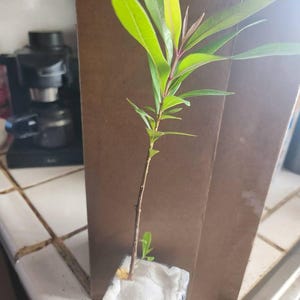
Exactly what I ordered online

Plant looks good, it’s small but it has a chance to do well.
One cut I'm not satisfied...2 it's good
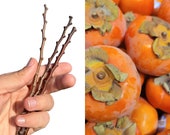

Cutting look great, nice green wood, thanks!
Cutting look great, nice green wood, thanks!

Very nice scion wood. thank you very much for the extra cutting!
The mulberry scions were on great shape. Thanks so much for quality wood
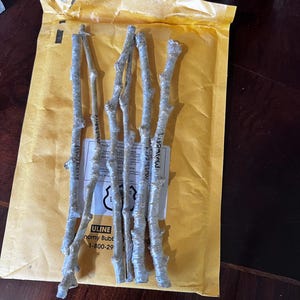

such a fantastic seller. I got a free tree and couldn't be happier they look so healthy and very rare hard to find plants 👍
It looks great and was very well packaged! Can't wait to plant it
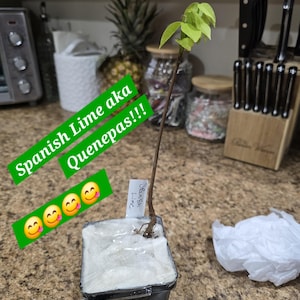
The plant is healthy and happy, matches description. We cannot wait to nurture it and eventually try the pod flesh. The grower even gave us a free baby ice cream bean plant along with the bigger one! This was so kind, we really appreciate it♡
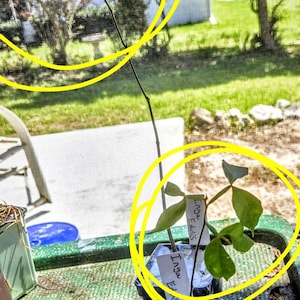
Arrived in good condition 👌, it was a failed attempt to get them to sprout but that's my fault. The cuttings looked fresh when I received them

80% success rate. That tells me the scions were fresh. I would buy mango scions again from seller.
