

Turpentine
Turpentine
Couldn't load pickup availability
Turpentine refers to a seedling race of mangoes historically common throughout the Caribbean, where they are often called “stringies” in Jamaica. These mangoes are widely believed to be among the first mangos successfully established in Florida, arriving via Cuba in the 1860s. Early plantings occurred in the Coconut Grove area near Snapper Creek under Dr. Fletcher, with additional plantings soon following near West Palm Beach and Bradenton. From there, Turpentine-type mangos spread across the state.
Because Turpentine mangos are almost always grown from seed, they are genetically variable, and many different forms exist. Despite this variability, their historical importance is enormous: Turpentine was the pollen parent of the Haden mango, meaning the vast majority of Florida mango cultivars trace at least part of their lineage back to this group.
Today, Turpentine remains the dominant rootstock used in Florida mango production. Most grafted mango trees in the state are grafted onto some form of Turpentine due to its adaptability and reliability.
The fruit themselves are very small, typically only a few ounces, and are round to ovate in shape. Skin color is usually yellow, sometimes developing pink or orange blush with strong sun exposure. The flesh is yellow and extremely fibrous, with a classic mango flavor that varies by seedling—some lean resinous, others mildly sweet, and a few are surprisingly palatable. A large polyembryonic seed occupies most of the fruit, which is why many people prefer to juice Turpentine mangos rather than eat them fresh.
Tree growth habit ranges from moderately vigorous to dwarf, depending on the seedling, but most develop a spreading form with dense canopy. Old Turpentine trees can become massive over time, and some specimens in Florida are well over a century old.
In Florida, Turpentine is a mid-season mango, typically ripening from late June through July. Disease resistance is average at best, with susceptibility to anthracnose and moderate susceptibility to bacterial black spot.
Flavor – Classic / Very Mild Coconut Notes
Country – Florida, USA
Season – Mid
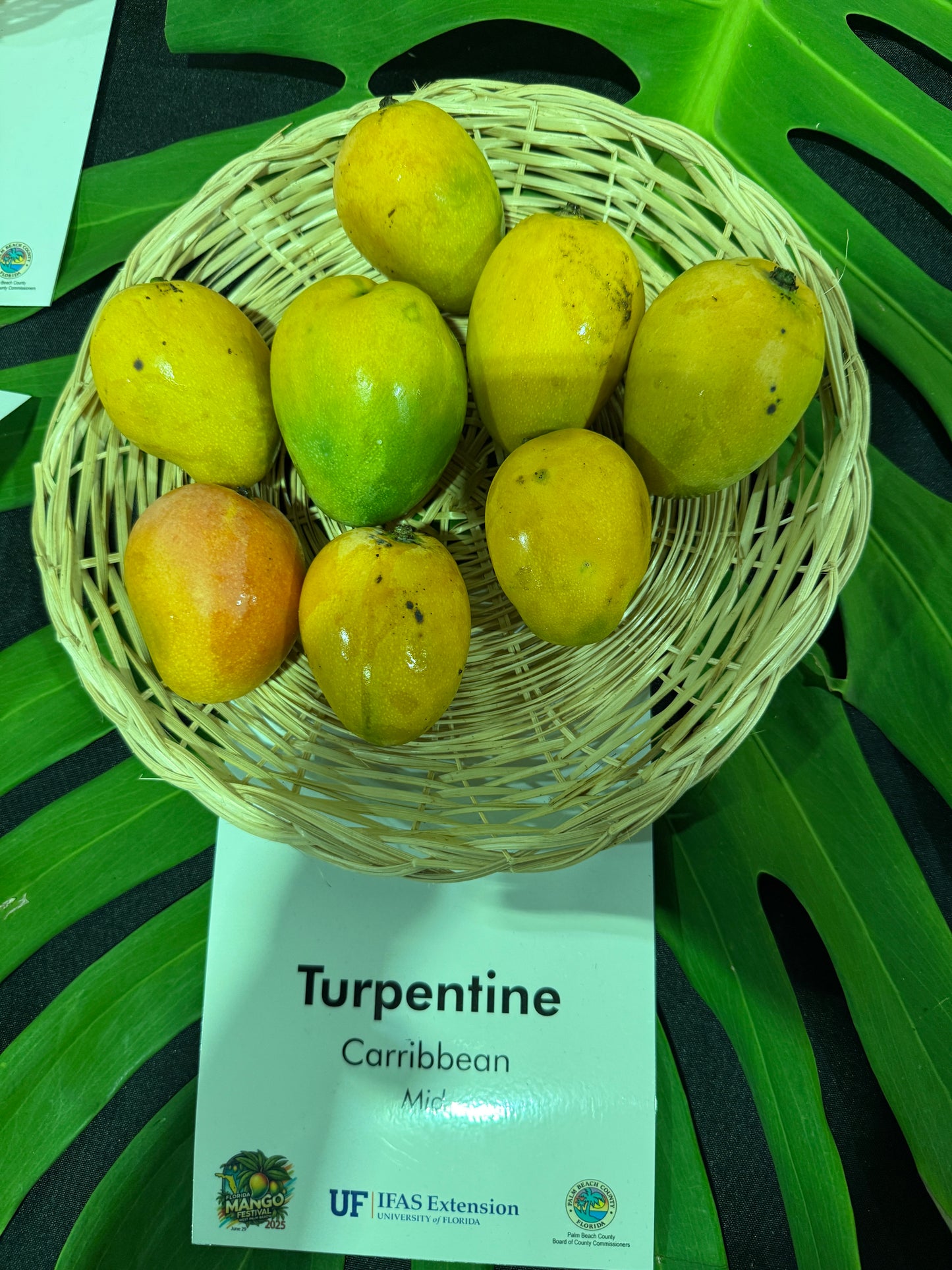


Cuttings came very well, packaged and healthy looking. They were also professionally wrapped in grafting tape. They look very good.
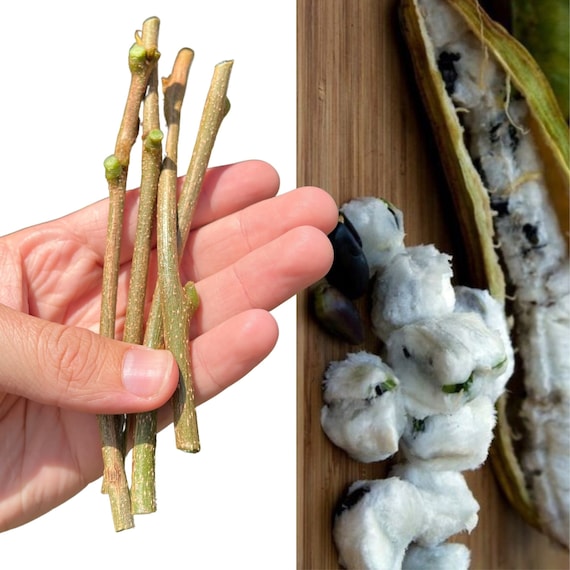

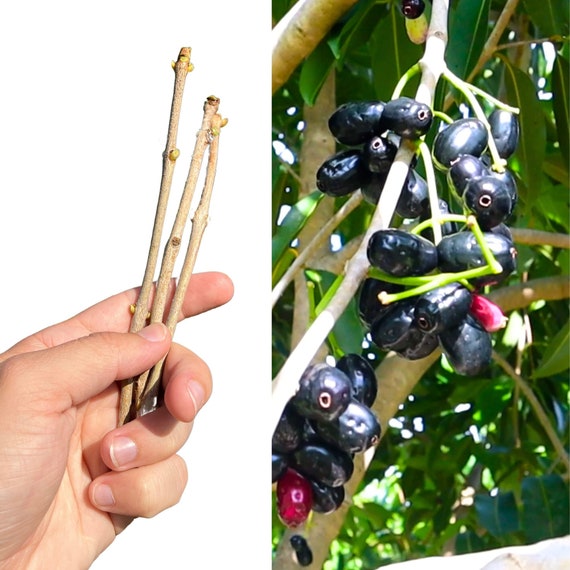
Arrived looking healthy and adequate. Already starting to sprout in just over a week.

Cutting arrived fresh and ready to root.
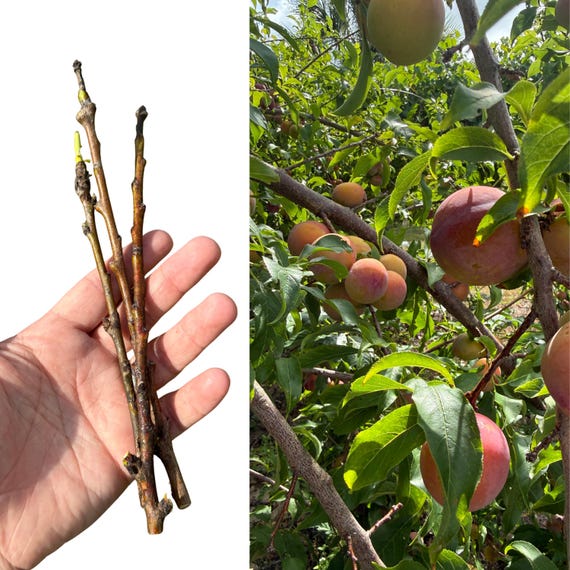
Plants is not quality and too small to sell out. They can die at anytime and too expensive

I think the plants I received were unfit to be sold as they were in poor health. I dumped the pot and there were hardly any roots inside.
All three of my mulberry cuttings rooted and are doing great!
I only have one out of the three showing a bud right now Hoping for more



Extremely healthy scarlet beauty cuttings. And best of all..came with directions. Very happy!!

It arrived alive and as expected. Growing nicely now.


Excellent plant and great service


Excellent seller. Very responsive and helpful. The scions were healthy and good size. I'm very happy with my purchase and will buy from this shop again.

Nicely packaged and promptly delivered
Scions came in a timely manner! Just grafted them on some guava trees!
Fantastic purchase. Got 2 and I'm stoked!!! fast shipping and live olants arrived very happy.

I never write bad reviews. I had to make an exception in this case. Plant was atrocious. First off, the plant was basically "an ant nest with something planted in it." So many ants in the soil that the box was teeming with ants. When unwrapping the plant itself, the ant explosion was unconscionable. I'm not sure how the plant could be wrapped without knowing about the ant nest in the plant, but I can hope that it was a mistake. If I looked beyond the ants and hope it was just an accident, there was no way to miss the fact that the plant was a shameful version of what was pictured in the ad. A twig with a couple of leaves, the longest of which measures 2.5 inches in length. It's clear the seller couldn't have cared less about the plant being sold. Shameful is an understatement.


Nice fresh scion wood properly prepared.
Item Quality, Shipping, Customer Service
