

White Piri
White Piri
Couldn't load pickup availability
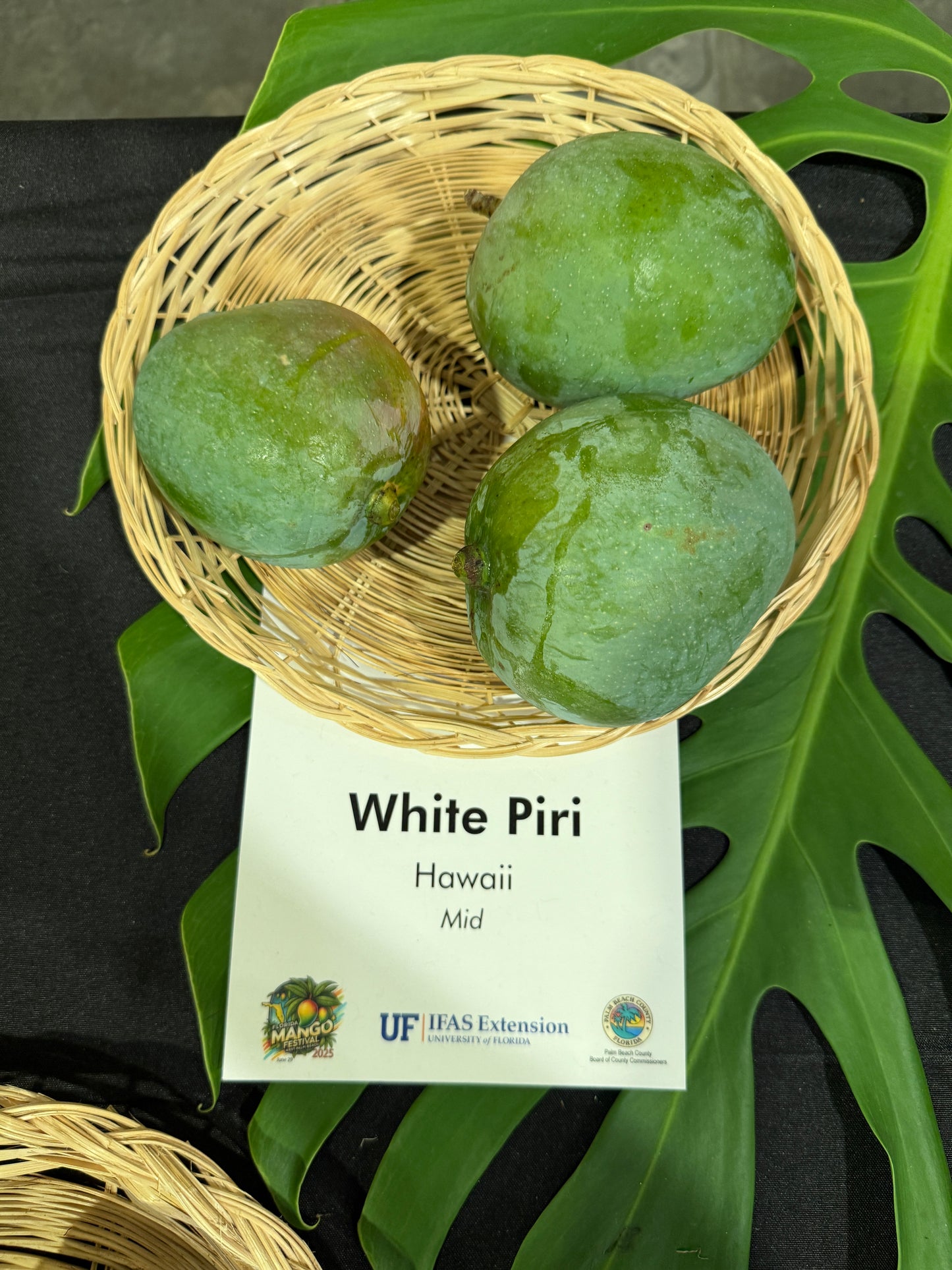
White Piri is a mango from Hawaii, believed to be derived from the Indian Pirie (also known as Pairi or Paheri, and sometimes linked to Jamaican Bombay). While related, White Piri stands apart as a larger-fruited and more refined selection, and it has become one of the most widely planted mango varieties in Hawaii after Haden.
The fruit are medium-sized and round, somewhat reminiscent of Kent in shape. At maturity they turn yellow with attractive pastel red and orange blush. The flesh is yellow, medium-firm, and fiberless, with a monoembryonic seed. Flavor is the defining feature: rich, sweet, and deeply complex, with pronounced spice and resin notes strongly evocative of Bombay. The aroma is equally expressive, adding to its reputation as a high-quality dessert mango.
White Piri is often noted for its depth and complexity, offering a layered flavor profile that appeals strongly to enthusiasts of Indian and West Indian–style mangos.
Trees are moderate to slow growing, with a spreading, open canopy, and are generally less vigorous than standard Pairi/Bombay trees, while tending to flower at a younger age. Disease tolerance varies by climate: reports from Hawaii indicate poor anthracnose resistance, suggesting it is better suited to coastal or lower-humidity environments rather than humid interior regions. The fruit show good tolerance to bacterial black spot, though powdery mildew on flowers can be a limiting factor.
White Piri is a mid-season mango, typically ripening in July.
Flavor: Indian / West Indian
Country: Hawaii, USA
Season: Mid


Cuttings came very well, packaged and healthy looking. They were also professionally wrapped in grafting tape. They look very good.
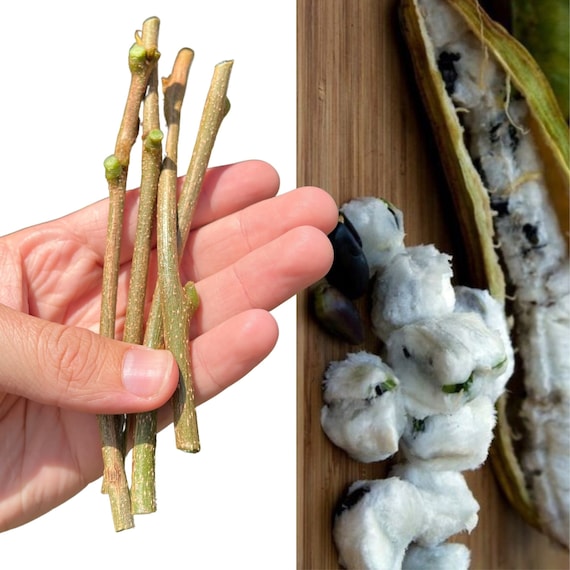

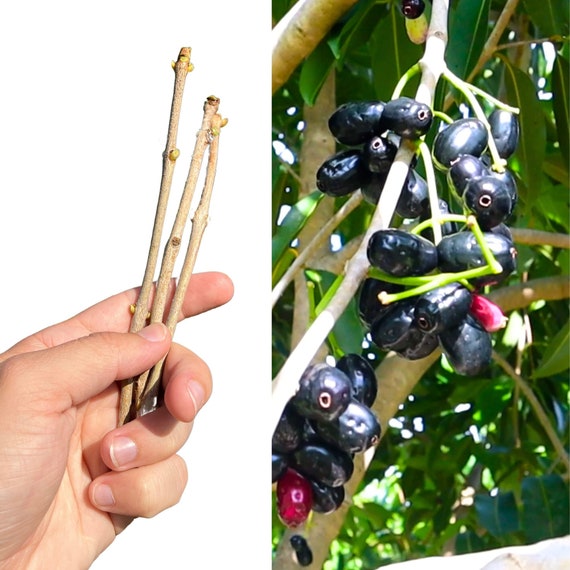
Arrived looking healthy and adequate. Already starting to sprout in just over a week.

Cutting arrived fresh and ready to root.
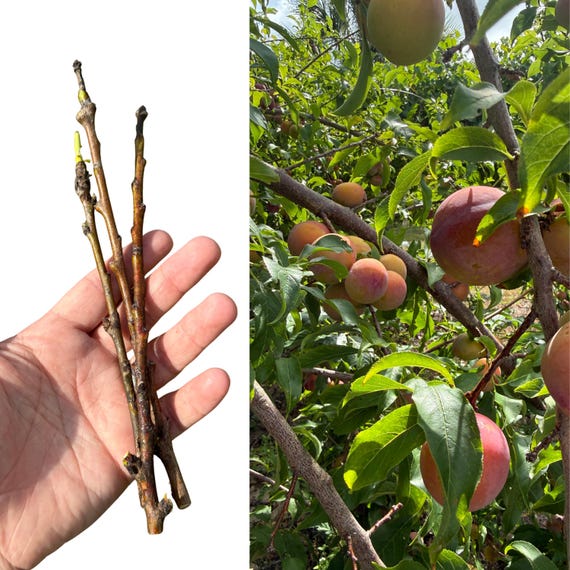
Plants is not quality and too small to sell out. They can die at anytime and too expensive

I think the plants I received were unfit to be sold as they were in poor health. I dumped the pot and there were hardly any roots inside.
All three of my mulberry cuttings rooted and are doing great!
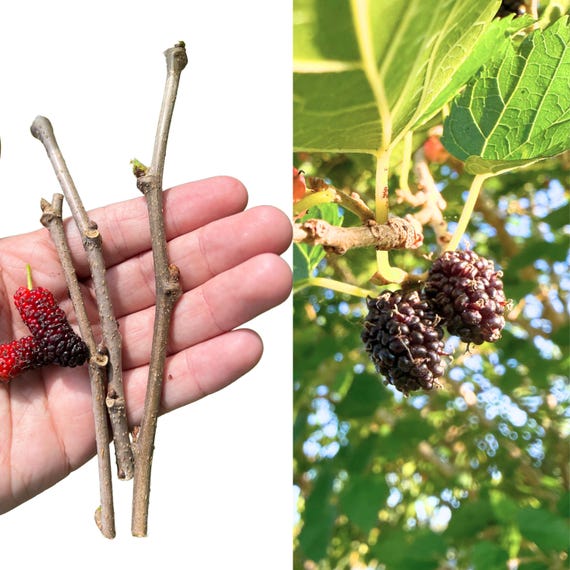
I only have one out of the three showing a bud right now Hoping for more


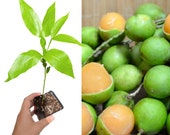

Extremely healthy scarlet beauty cuttings. And best of all..came with directions. Very happy!!

It arrived alive and as expected. Growing nicely now.


Excellent plant and great service


Excellent seller. Very responsive and helpful. The scions were healthy and good size. I'm very happy with my purchase and will buy from this shop again.

Nicely packaged and promptly delivered
Scions came in a timely manner! Just grafted them on some guava trees!
Fantastic purchase. Got 2 and I'm stoked!!! fast shipping and live olants arrived very happy.

I never write bad reviews. I had to make an exception in this case. Plant was atrocious. First off, the plant was basically "an ant nest with something planted in it." So many ants in the soil that the box was teeming with ants. When unwrapping the plant itself, the ant explosion was unconscionable. I'm not sure how the plant could be wrapped without knowing about the ant nest in the plant, but I can hope that it was a mistake. If I looked beyond the ants and hope it was just an accident, there was no way to miss the fact that the plant was a shameful version of what was pictured in the ad. A twig with a couple of leaves, the longest of which measures 2.5 inches in length. It's clear the seller couldn't have cared less about the plant being sold. Shameful is an understatement.


Nice fresh scion wood properly prepared.
Item Quality, Shipping, Customer Service
